

Osteoporosis is a disease that affects roughly 10 million Americans, according to statistics from the National Osteoporosis Foundation. Additionally, another 44 million people are at an increased risk of developing the disease due to of low bone density. Symptoms appear in more than one-third of women over the age of 65. Fractures, pain, and mobility limitations can occur from osteoporosis. Understanding the signs and symptoms, as well as prevention methods, can decrease your chance of developing osteoporosis.

What is Osteoporosis?
Osteoporosis is a disease that decreases bone density and weakens bones. Many people are unaware that they have this disease, and only catch it after an injury. Bone fractures can greatly diminish your quality of life through persistent discomfort and limited mobility.
Oral Health Linked to Osteoporosis
If you suffer from osteoporosis, your oral health is also at risk. Your jawbone may begin to weaken, leading to significant oral health complications. A routine visit to our dental office can allow us to detect early signs of osteoporosis. Tooth loss and gum disease are potential indicators of an underlying health issue. Our team will take X-rays of your jawbone and surrounding teeth. If we detect diminished bone density, or signs of bone loss, we will discuss the best course of action with you.
What You Can Do
The risk factors associated with osteoporosis include genetics, calcium deficiency, smoking, menopause, excessive caffeine or alcohol, and an inactive lifestyle. Simple changes such as increasing your daily calcium and vitamin D intake, exercising, quitting smoking, decreasing consumption of caffeine and alcohol, and visiting our Woodbridge dentist regularly can help lower your risk.
Osteoporosis affects the lives of millions of people. It can significantly diminish your quality of life. Through regular oral health examinations, our team may be able to identify early signs of bone loss.
Schedule your visit to Woodbridge Dental Care today.



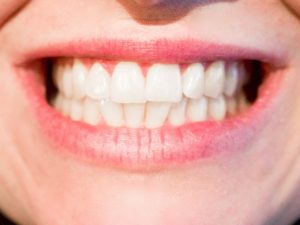 Teeth grinding, known as bruxism, is a habit many get into without even realizing it. Grinding your teeth can be damaging for several reasons. If you or your child have been struggling with teeth grinding, make an appointment to see us. We will assess the damage to the teeth, as well as assist you in addressing solutions. Here’s what you need to know about teeth grinding.
 Do you brush your teeth after lunch? If you’re one of the millions of people who work outside the home, chances are you don’t have the time or resources to brush during the day. However, not being able to brush doesn’t mean you can’t protect your teeth at work.
 Tooth sensitivity is a condition that can make everyday activities such as eating, drinking, and even walking outside in colder weather painful and unpleasant. If you frequently experience a sharp burst of pain in your teeth when drinking coffee, eating ice cream or being hit by a gust of cold air, sensitive teeth may be the cause. Sensitive teeth are a common, though frustrating issue. The Academy of General Dentistry (AGD) estimates that up to 40 million adults in the United States suffer from this condition.