

Dentist Woodbridge
 Do you brush your teeth after lunch? If you’re one of the millions of people who work outside the home, chances are you don’t have the time or resources to brush during the day. However, not being able to brush doesn’t mean you can’t protect your teeth at work.
Grab a drink of water. When you finish eating, get a drink of water. Swish the water around in your mouth, then spit or swallow it. Water helps to remove small particles of food that can remain on your teeth after your meal or snack.
Chew sugarless gum. There are certain types of sugarless gum that are approved by the American Dental Association (ADA) as good for your oral health. The reason for this is that chewing stimulates the production of saliva in your mouth. That saliva washes away food particles and helps to neutralize acids on your teeth.
Limit time drinking coffee or soda. Coffee, soda, tea, and many other beverages contain high levels of sugars and acids. The more time you spend sipping your drink, the longer your teeth are exposed to these sources of decay. Instead of spending an hour taking small swallows, drink quickly to limit exposure, then rinse your mouth or switch to water to help counteract the effects.
Brush and floss when you can. Try to keep to a regular routine of good oral hygiene practices when you are at home. Brush at least twice daily, for two full minutes each time. Floss or use an interdental cleaner of your choice once a day. Keep your recommended appointments to have your teeth cleaned and evaluated by our team.
Taking care of your teeth doesn’t have to interrupt your workday. Keeping these simple tips in mind can help protect your mouth from tooth decay, periodontal disease, and other oral health issues.
Woodbridge Dental Care
4315 Ridgewood Center Dr, Woodbridge, VA 22192
(703) 670-4994
 Normal flow of saliva provides lubrication for swallowing and begins the process of digestion while you chew. Saliva also protects your teeth by neutralizing and washing away acids, sugars, and other particles left behind after eating. From time to time, we all experience some amount of dry mouth. Hot weather, exercise, and dehydration can all cause a temporary decrease in saliva production. However, if you have chronic dry mouth, or xerostomia, you could be at risk of serious oral health complications.
 Do you have white spots on your teeth? Are your teeth quite sensitive? Do your teeth have cracks, chips, or indentations? If yes, then you may be experiencing enamel erosion.
 Is anxiety or nervousness preventing you from visiting our team? Dental treatments should not be a cause of stress. If you worry about pain, embarrassment, or loss or control during a dental examination, we want you to know two very important things: You are not alone and We can help.
 The human body is a network of interconnected systems and organs. Unfortunately, issues that impact one particular area of your body can also effect the health and function of other areas. Recently, studies have highlighted evidence for links between gum disease and heart disease.
 Nearly everyone has at least one habit that they wish they could break. Did you know that some of them can affect your oral health? Here are a few common habits and tips for how to break them.
 A canker sore can make eating, drinking, and talking difficult and even painful. Maintaining your oral health by brushing and flossing may also be difficult with a sore in your mouth, but keeping up with your daily oral hygiene routine is an important step in the healing process. We’ve put together a short guide to everything you need to know about canker sores.
 Your gum health may have an impact on your cognitive function. One recent study found a correlation between gum disease and increased cognitive decline for people living with early stages of Alzheimer’s disease. While more studies are needed to make a definitive connection, this study illustrates the importance of continuing the conversation about oral health and its impact on your entire body.
 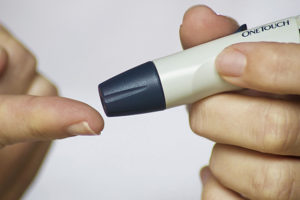 Nearly 30 million Americans suffer from diabetes. Almost 65 million Americans have periodontal disease. Recent studies have suggested that there is a two-way connection between diabetes and periodontal (gum) disease. Patients with gum disease have increased risk of other diabetic complications and patients with diabetes are more prone to developing gum disease.