

Dentist Near Me
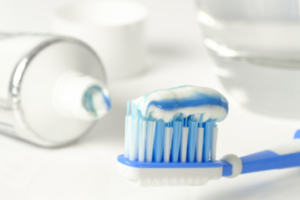 Brushing your teeth is the cornerstone of your oral health care – but is there room for improvement? Use our guide to determine if you’ve fallen into these common brushing habit mistakes, so you can keep your smile healthy and bright.
- Not brushing long enough – The American Dental Association (ADA) recommends brushing your teeth for two full minutes at least twice daily. Studies show that most Americans fall short. To ensure you are brushing the full 2 minutes, try using an electric toothbrush with a built-in timer, a clock, or the stopwatch on your smartphone. There are even podcasts designed to act as both a timer and entertainment while you brush.
- Improper technique – Aim your brush toward your gums at a 45-degree angle when brushing the fronts and backs of your teeth, and don’t forget the chewing surfaces. Avoid using too much pressure when you brush, as this can cause wear that damages the enamel.
- Using an old brush – The ADA recommends replacing your toothbrush (or brush head, if that part is replaceable) every three to four months – sooner if the bristles begin to fray. A toothbrush kept in service too long will become less effective over time due to wear. Moreover, the bristles on an older toothbrush can harbor harmful bacteria.
- When to brush, or not brush – Whenever possible, it is best to brush after eating meals or snacks. When you can’t, rinse with water or chew sugarless gum to help remove food particles and neutralize acids. When eating or drinking sugary or acidic items, rinse your mouth and wait 30 minutes to ensure the sugars and acids are washed away by saliva before you brush.
- Ignoring your tongue – Use your toothbrush or a tongue cleaner to carefully clean your tongue each time you brush your teeth. This helps clear bacteria and prevent bad breath.
Improper brushing habits can contribute to tooth decay, bad breath, and other oral health issues. Contact us for more information on home care or to schedule your next cleaning.
4315 Ridgewood Center Dr
Woodbridge, VA 22192
703-670-4994
 Chewing and smoking tobacco are known to cause severe health problems, particularly in the lungs. But the risks to your mouth and teeth can be just as extensive and alarming. If you use tobacco, stop. Here’s what tobacco can do to your oral health.
 Your smile is one of the first things a person will notice when you meet. If you would like to improve your smile with a simple procedure, teeth whitening may be a great option for you, especially if you have stained, dull or discolored teeth. Our dental office is providing teeth whitening services to new and existing patients.
 Oral cancer does not discriminate. It affects those of all ages, genders and races. Smokers do develop oral cancers at higher rates than non-smokers. However, this does not absolve the rest of the population from being at risk, as well.
 You may not realize it, but you could be at risk of developing an unsightly medical condition known as hairy tongue. While it is harmless in most cases, hairy tongue is still an unpleasant ailment. The causes are not always completely known, but practicing good oral hygiene at home and visiting our dental office for cleanings can help prevent the issue. Here’s what you need to know.
 Do you brush your teeth after lunch? If you’re one of the millions of people who work outside the home, chances are you don’t have the time or resources to brush during the day. However, not being able to brush doesn’t mean you can’t protect your teeth at work.
 These are some of the most common questions we hear from parents, and the answers we provide:
 We often have visitors to our office ask about solutions for fixing stained teeth or filling in gaps between teeth. We sometimes suggest veneers. Veneers are one cosmetic option available for correcting your smile. Here’s what you should know about veneers, and whether they are right for you and your smile.
 Normal flow of saliva provides lubrication for swallowing and begins the process of digestion while you chew. Saliva also protects your teeth by neutralizing and washing away acids, sugars, and other particles left behind after eating. From time to time, we all experience some amount of dry mouth. Hot weather, exercise, and dehydration can all cause a temporary decrease in saliva production. However, if you have chronic dry mouth, or xerostomia, you could be at risk of serious oral health complications.
 Your mouth is a gateway to the rest of your body. Bacteria of all kinds are present in your mouth. While some are benign, others may pose a threat to your health. Maintaining a daily oral hygiene routine and visiting our dental office for regular appointments can help keep your mouth free of harmful bacteria. Below are 3 common ailments that have been shown to be negatively impacted by poor oral health. Read the information below if you suffer from any of these conditions and are worried that your oral health might be a contributing factor.