

Dentist in Woodbridge, VA
 Your gum health may have an impact on your cognitive function. One recent study found a correlation between gum disease and increased cognitive decline for people living with early stages of Alzheimer’s disease. While more studies are needed to make a definitive connection, this study illustrates the importance of continuing the conversation about oral health and its impact on your entire body.
Details of the Study
The study was administered by King’s College London and the University of Southampton. It observed 59 patients with early stages of Alzheimer’s disease. Blood tests were utilized to examine inflammatory markers present in the bloodstream, while patients’ dental health was examined by dental hygienists.
What it Found
The study found that patients with gum disease experienced cognitive decline at a rate 6 times faster than those without gum disease. The study suggested that the body’s reaction to inflammation may be responsible for causing the rapid decrease in brain function.
Importance of Healthy Gums
Previous studies have determined that gum disease can increase your risk of developing complications such as heart disease and stroke. Maintaining healthy gums is essential to staying healthy overall. You can keep your gums healthy by following good daily oral hygiene habits. This includes brushing twice each day for two minutes, as well as flossing regularly.
For those living with Alzheimer’s disease, it is imperative to maintain good oral health. If you are a caregiver of someone with the disease, make sure they are following an effective daily oral hygiene routine, as well as visiting our office for regular examinations. Keeping your gums healthy may be one key to keeping your body and brain healthy throughout your lifetime.
For more information about gum health, or to schedule your next visit to our office, please contact us.
 When you are traveling, it can be challenging to keep up with your usual daily routine. For many people, this can include having difficulty finding the time to properly brush and floss. Whether you are traveling for business or pleasure, we have gathered a few helpful tips to help you stay on track with your oral health while you are away from home.
 X-rays provide useful visual data for dentists to utilize when treating you. Occasionally, guests to our office ask about the radiation from x-rays and the dangers associated with high-exposure. Rest assured, a dental x-ray is one of the safest medical imaging procedures there is. Here’s what you need to know about getting a dental x-ray.
 Before, during, and after cancer treatment it is necessary to keep up with your oral health routine. Cancer and cancer treatments can impact your mouth, so talk to our dentist about your specific treatment and what you can do to keep up with your oral health. Here are a few points to consider.
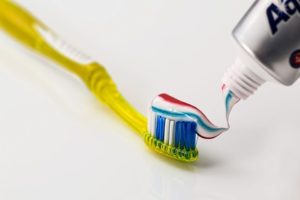 When buying a toothbrush, toothpaste, or coming in to our office, you often hear the word “plaque” associated with the health of your teeth. Plaque is one of the main reasons why it is so important to keep up with a daily oral hygiene routine that includes brushing two times each day for at least two minutes, and flossing regularly as well. Here’s what you need to know about plaque and what it can do to your smile.
 Blood thinning medications are helpful in regulating your body to prevent heart attacks, strokes, and other serious issues. However, if you are scheduled for oral surgery, it is vital that our oral surgeon is aware of all medications you are using.
 In some cases, our doctor might suggest you visit an endodontist for an apicoectomy. An endodontist is a dentist who specializes in root canal therapy. In certain situations, it is helpful for a patient to receive treatment by a professional who specializes in this area.
 If you are a mother who is breastfeeding your baby, there are several important points to be aware of regarding your baby’s teeth. We suggest you talk with your doctor about your plans on feeding your baby, but there are some known benefits of breastfeeding. According to the U.S. Department of Health and Human Services, breastfeeding can help reduce a child’s risk of developing asthma, diabetes, obesity, ear infections, sudden infant death syndrome, and other disorders, but it also affects your child’s teeth – here’s how:
 Taking care of your dentures can seem like an added chore. Don’t worry, with a little effort your dentures can stay clean. Here are 5 tips for keeping your dentures clean and your smile healthy.