


Dentist in Woodbridge
 According to the American Dental Association, 50 percent of adults experience bad breath at some point in their life. Although some causes are harmless, other causes may be signaling something more serious. Below are three common causes of bad breath, accompanied by the best remedy for each cause.
Cause of Bad Breath: Food
Have you ever heard the phrase, “You are what you eat”? Many foods and spices, such as onions, garlic, and coffee, leave a lingering odor on your breath.
Nothing rids your breath of odor like brushing and flossing. Brushing and flossing also keeps your mouth free from bacteria, preventing any infections. Mouthwash is a great backup solution. Although the use of mouthwash is only a temporary fix for bad breath, it too works to remove potentially harmful bacteria in your mouth
Cause of Bad Breath: Dry Mouth
Does it feel like you just can’t quench your thirst? Dry mouth is due to your mouth not producing enough saliva. It is often a symptom of medications, salivary gland problems, or breathing through your mouth.
Foods that require more chewing can increase saliva production. Healthy foods such as carrots and apples are great choices. Another alternative is to chew sugar-free gum.
Cause of Bad Breath: Medical Conditions
Bacteria and infections in the mouth can cause bad breath. Bad breath may also be a sign of conditions affecting the sinuses, liver, or kidneys, as well as a sign of acid reflux or diabetes.
By visiting our office regularly, our team is able to detect any problems or infections, and stop them before they become serious.
Schedule your visit to our office today. Contact our team.
4315 Ridgewood Center Dr
Woodbridge, VA 22192
(703) 670-4994
 During a comprehensive dental examination, our team will look for signs of oral cancer. Early detection is key with oral cancer. If caught early, most forms of oral cancer are treatable. Our dental team is trained and educated to identify oral cancer.
 Do you suffer from regular sensitivity? Teeth sensitivity is often misunderstood, but our dental team can help you find relief. We’re here to separate the fact from fiction in sensitivity.
 Don’t wait until you’re in pain to see your dentist! Most people make time to clean out the house, car, garage, or closets at least twice a year. Why not include your oral health on your “to do” list?
 Sugary, sticky, and sweet candies can damage your teeth by increasing your risk of decay. Though gum can be considered a type of candy, chewing sugarless gum approved by the ADA can actually help protect teeth and prevent tooth decay. Here’s what you need to know about gum and your teeth.
 Nearly everyone has at least one habit that they wish they could break. Did you know that some of them can affect your oral health? Here are a few common habits and tips for how to break them.
 A canker sore can make eating, drinking, and talking difficult and even painful. Maintaining your oral health by brushing and flossing may also be difficult with a sore in your mouth, but keeping up with your daily oral hygiene routine is an important step in the healing process. We’ve put together a short guide to everything you need to know about canker sores.
 Your gum health may have an impact on your cognitive function. One recent study found a correlation between gum disease and increased cognitive decline for people living with early stages of Alzheimer’s disease. While more studies are needed to make a definitive connection, this study illustrates the importance of continuing the conversation about oral health and its impact on your entire body.
 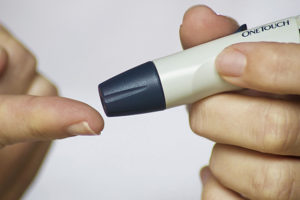 Nearly 30 million Americans suffer from diabetes. Almost 65 million Americans have periodontal disease. Recent studies have suggested that there is a two-way connection between diabetes and periodontal (gum) disease. Patients with gum disease have increased risk of other diabetic complications and patients with diabetes are more prone to developing gum disease.